Cement
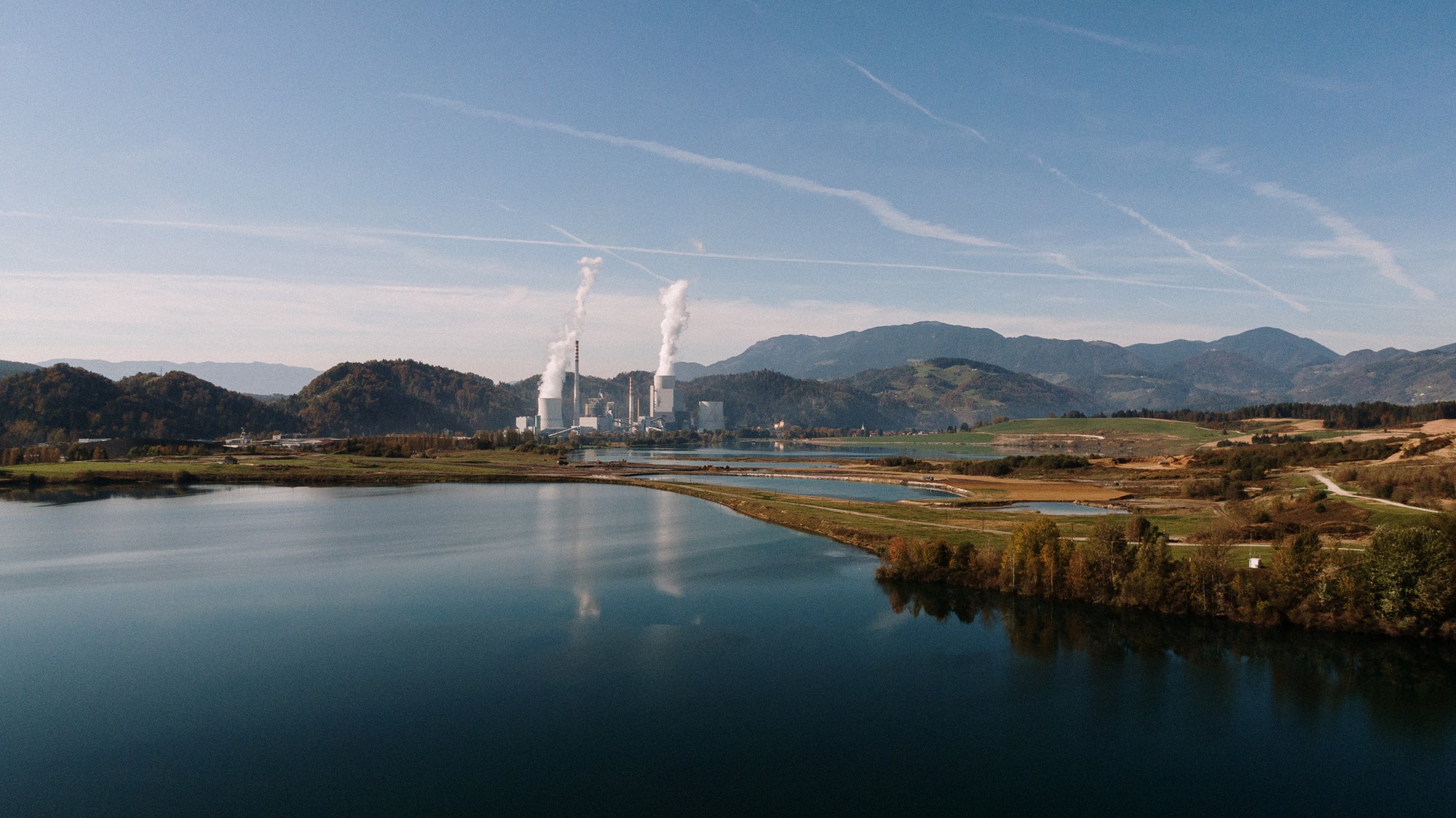
The cement sector scopes 1 and 2 emissions account for around 5-8% of total global CO2e emissions, and have more than doubled since 2000. Clinker production accounts for over 80% of those emissions.

The cement sector scopes 1 and 2 emissions account for around 5-8% of total global CO2e emissions, and have more than doubled since 2000. Clinker production accounts for over 80% of those emissions.

Developments in batteries and other energy storage technology have accelerated to a seemingly head-spinning pace recently — even for the scientists, investors, and business leaders at the forefront of the industry.

Hydrogen is a gaseous energy molecule that functions as a fuel source to produce electricity and heat. It also serves as an input for chemical processes―for example, in refining.

Widespread deployment of solar energy production can abate 5.5 to 10 gigatonnes of CO2e by 2050 in select subsectors, including 24% to 43% of power and heat, depending on the transition scenario.

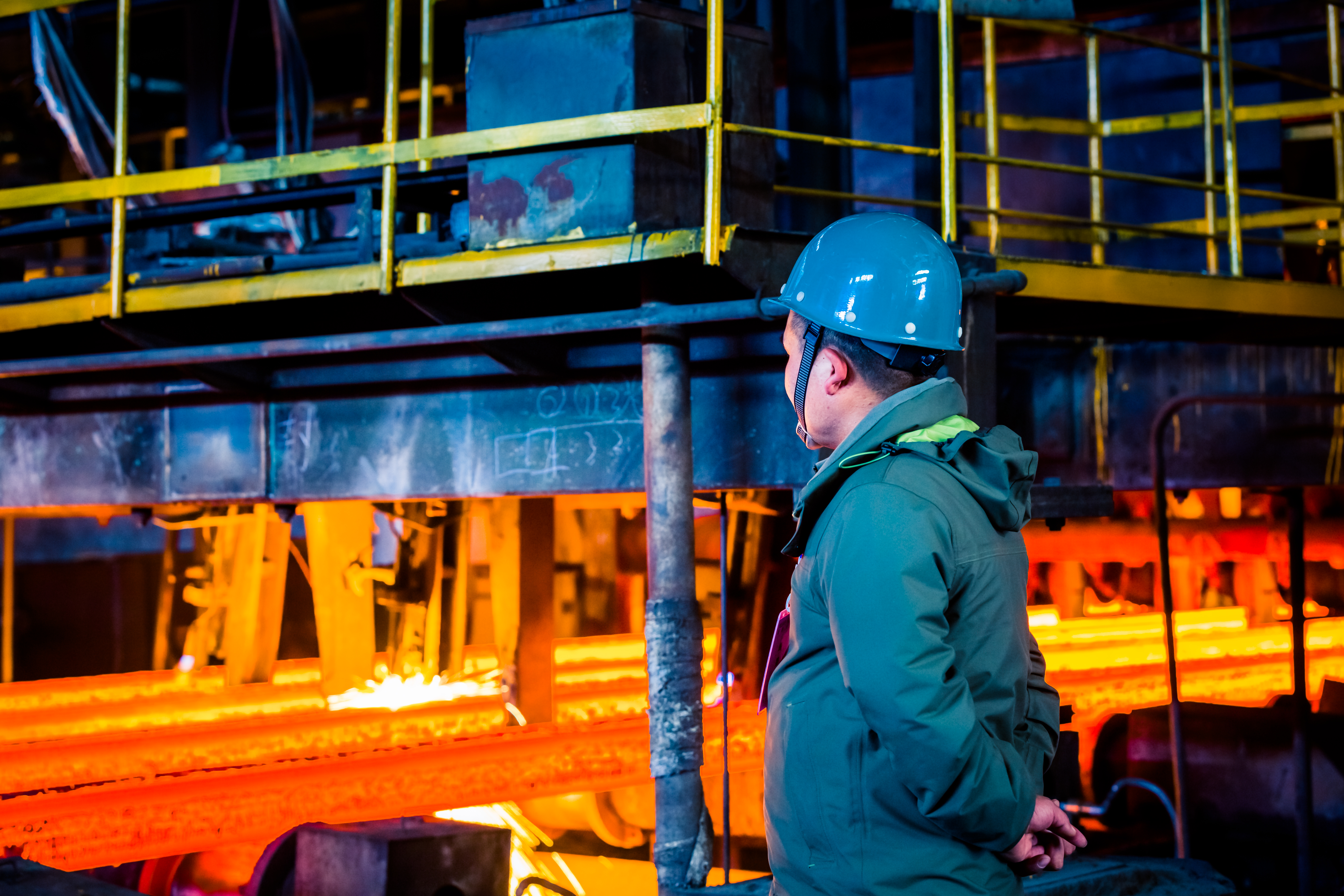
The steel sector is responsible for around 10% of global CO2e emissions, which have doubled since 2000. The majority of these emissions come from the carbon-intensive coke oven, iron furnace, and steel furnace stages of production.

Wind turbines are hardly the buzziest of clean technologies. After all, rudimentary versions of these systems, which capture kinetic energy from airflows and convert a portion of it into electric energy, were the earliest competitive form of renewable electricity.